DO Conca de Barberà wine
The wines of Conca de Barberà take their characteristics from the specific microclimate of the region and the lands occupied by the vineyards, established on land subject to river erosion.
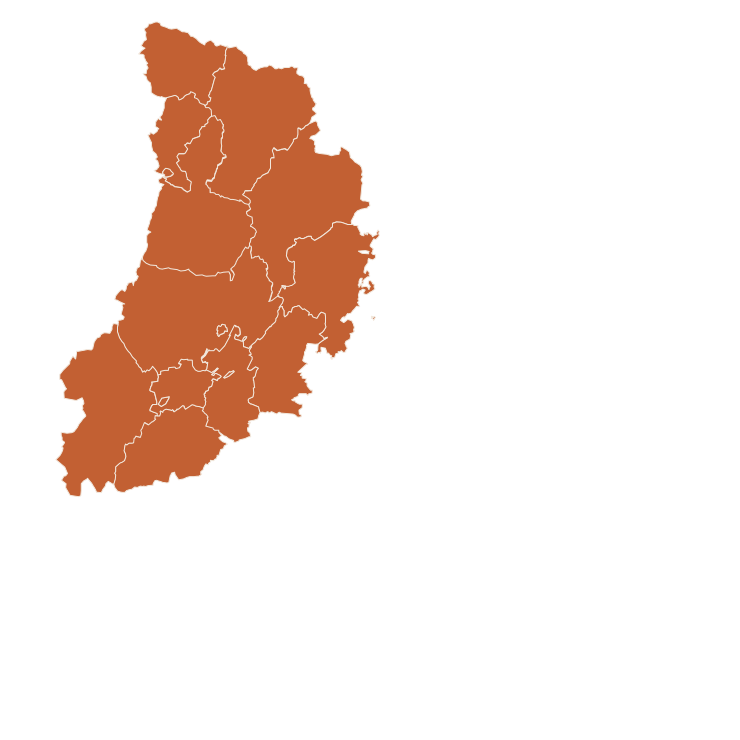
The DO Conca de Barberà covers an area of 2,875 ha of vineyards, which is the main agricultural production in the region and is concentrated in the area formed by the geological erosion generated by the Francolí and Anguera rivers, an area known as "Conca estricta". The natural environment of this area is very homogeneous. The soils are mainly calcareous, of tertiary origin and medium and medium-strong consistency. One of the peculiarities of this wine is given by the differentiated microclimate of this land, Mediterranean with continental influences, which favors a strong contrast in the temperatures at night and day. Winters are cold and summers are not excessively hot. The typical annual rainfall is 500-550 mm. This combination of factors makes this area an ideal land for the cultivation of vines.
-
 DO
DO
-
 DO Conca de Barberà
-
 Productes de la terra
 Drinks (wine, cava, spirits, beers)



Season calendar
- GEN
- Feb
- Sea
- Apr
- Never
- JUN
- JUL
- AUG
- THIRST
- OCT
- nov
- From
Complementary information
The evolution of vine production is closely linked in this region to its history. The Conca de Barberà has been an agricultural area with a notable cultivation of vineyards, which had formerly been closely linked to Poblet and the religious orders installed in this area. That is why the vineyard gained momentum in the Middle Ages, along with cereals and olives, during the period of repopulation after the Christian occupation of New Catalonia. It would therefore be the Cistercian monks and the Order of the Templars who were responsible for transmitting knowledge of vine growing and winemaking to farmers. The other great push took place between the end of the eighteenth century and the middle of the nineteenth century, when the export of wine and brandy to northern Europe turned vines practically into a monoculture, in the Conca de Barberà. This area did not escape the phylloxera plague, but the vigor of its production led to Conca de Barberà being the first place where, in 1894, the first cooperative winery in Catalonia was created, in an attempt to overcome the crisis, and which has left as a testimony the famous modernist wineries. Since the second half of the twentieth century, the quality of wine has been permanently increasing until becoming, since 1989, a geographical area with its own DO.
Attributes and nutritional properties
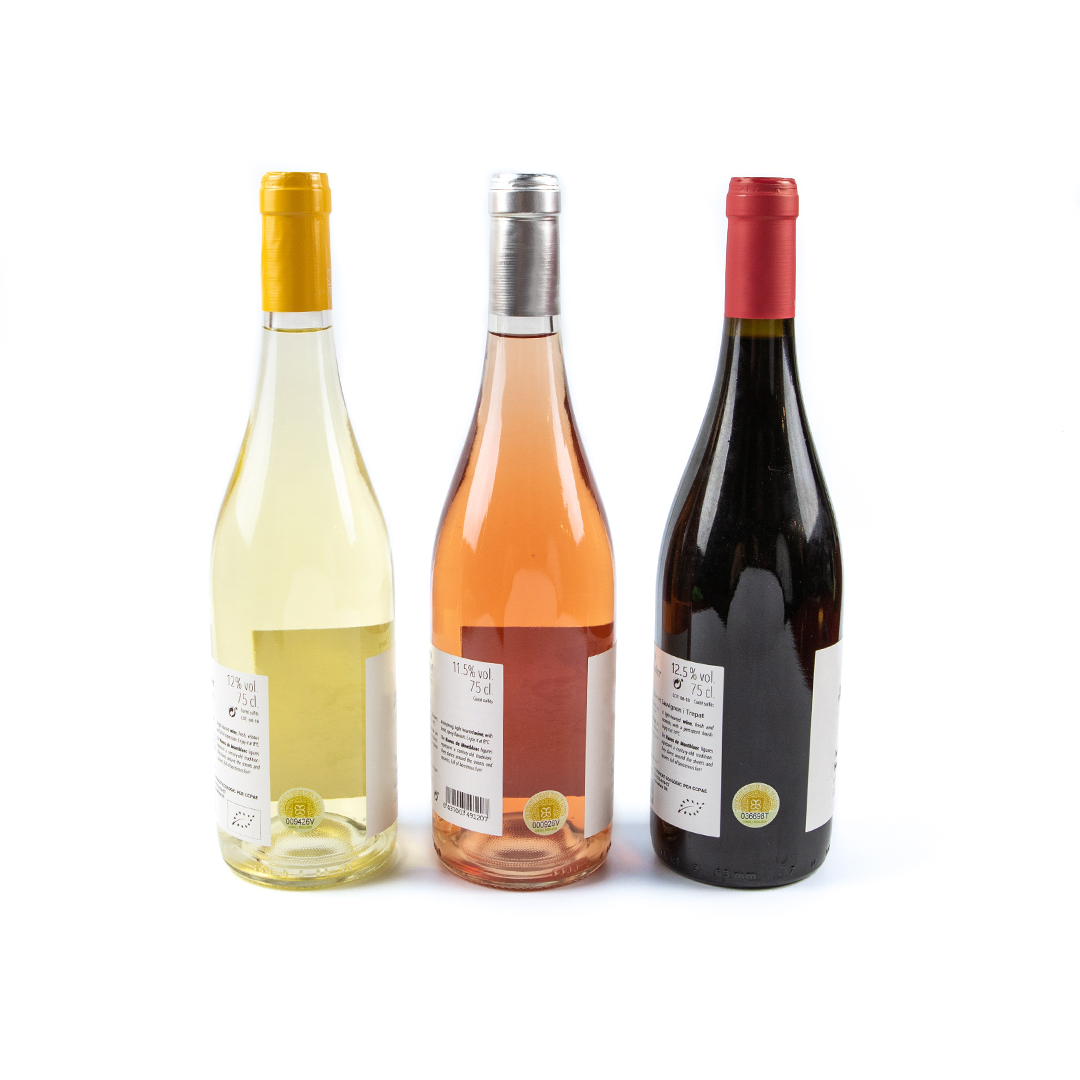
The wines made here stand out for their personality. White and pink predominate, but also excellent reds are made. The latter have their differentiating reference in the autochthonous variety: the trepat. A variety that provides delicate, fruity, fresh wines with spicy notes and a light alcohol content. We also find red wines with more body and aging of the varieties Tempranillo, Cabernet Sauvignon, Merlot and Syrah among others. White wines, light and with good acidity, are mainly made with the varieties Parellada and Macabeo. Those that are aged are more consistent and are made with Chardonnay. The rosés are mostly made with trepat and are silky and soft on the palate.
The annual production is 8,000 hl, with 647 winegrowers and 23 wineries.
The wine from Conca de Barberà is distributed inside and outside Catalonia and can be found in all kinds of specialized establishments, especially those in the area corresponding to the field of production. Good company for all kinds of dishes, its presence in the gastronomic and restaurant offer of the region is remarkable.