PDO Pla de Bages wine
The rigour of the climate, the low rainfall, the undulating soils and a pronounced thermal oscillation, together with an effective combination of varieties, are the features that give quality to the wines of this DO.
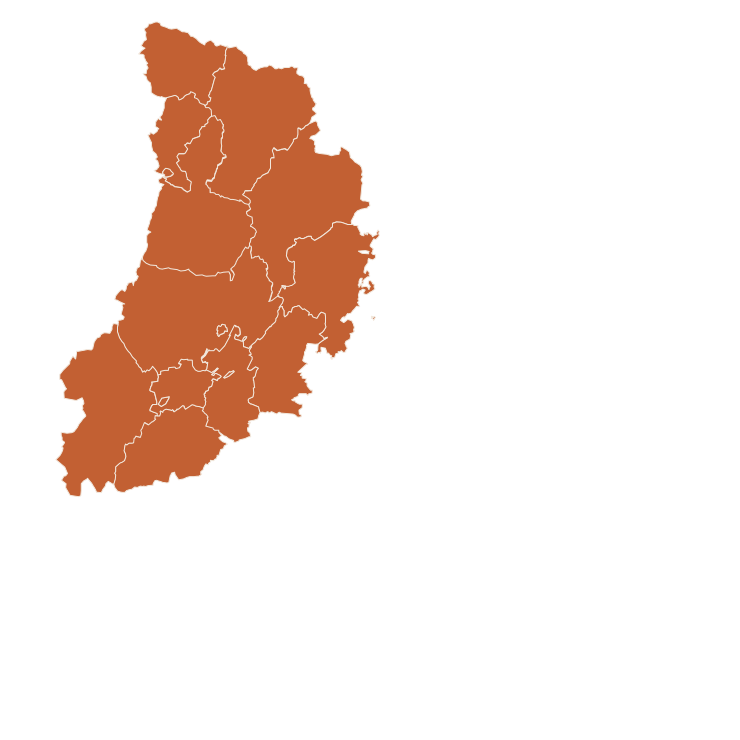
The Vineyard of Bages currently occupies about 500 Ha of cultivated area. The location of the region and its geographical and environmental characteristics have made it possible to acclimatise a great diversity of wines. The cultivated areas are mainly located on high altitudes between 200 and 300 m. The region has a Mediterranean climate of medium mountain, characterized by scarce rainfall (between 500 and 600 mm in flat lands) and a rather pronounced thermal oscillation that generates an average temperature of 13.5 ºC. The effective thermal integral of this area corresponds to an optimal area for red wines and very good for whites.
-
 DO
DO
-
 DO Pla de Bages
-
 Producte Singular - Xarxa de Productes de la Terra - Diputació de Barcelona
-
 Productes de la terra

 Drinks (wine, cava, spirits, beers)



Season calendar
- GEN
- Feb
- Sea
- Apr
- Never
- JUN
- JUL
- AUG
- THIRST
- OCT
- nov
- From
Complementary information
The cultivation of vines in the Bages region is documented at different times, during which vine cultivation and wine production have been the main agricultural activities in the region. In fact, it is possible that the name of the region has its origin in the name of the Roman spring Baccus, in recognition of the quality and abundance of wines at that time. During Middle Ages, the focal point of this activity would be Sant Benet del Bages, a cultural and spiritual centre that dynamizes the agrarian colonization of this area. The importance of vine cultivation has endured over the centuries, but it was during the twentieth century that cooperation between cooperatives, winegrowers, administration and traders was consolidated in order to improve the quality of production, which led to the incorporation of modern cultivation and processing techniques into the traditional forms adopted by viticulture in the region. This concern for quality led to the granting of the DO to this area in 1995.
Attributes and nutritional properties
The production of red wines is quite important. The Tempranillo, Cabernet Sauvignon, Merlot and Sumoll varieties stand out, giving rise to wines with intense flavors, with a minimum graduation of 11.5. As for white wines, with a minimum graduation of 10, the most important varieties are Macabeo, Chardonnay and, especially, the native variety Picapoll, which provides fruity wines with good aroma, splendid texture and personality. To a lesser extent, other varieties are also grown: Pinot Noir, Grenache, Malbec, Sauvignon and Syrah. With Merlot and Caubernet Sauvignon, rosé wines are made, with a minimum graduation of 10.5. The combination of internationally recognized varieties with traditional varieties such as Picapoll is considered to be the key to the quality of these wines. In wines subject to aging, this is carried out by a mixed process of wood and bottle for at least two years and a minimum period of wooden packaging with a maximum capacity of 1 000 l. Currently, it has an average production of 12,000 Hl, made by 100 winegrowers, together with the 9 bottling wineries.
The marketing of the wines of the DO Pla de Bages is aimed with great intensity towards the hospitality sector and specialized establishments in the region. An important part is sold outside Catalonia. These wines adapt to all kinds of culinary preparations and occupy a prominent place in the gastronomic offer of the Bages region.