Blond-eyed bean
Small bean variety, highly appreciated for the finesse of its skin and its flavor, characteristics that have made it achieve a growing valuation.
The Fesol de l'ull ros has been present in the orchards of the Girona region for many years. Some farmers testify to its presence throughout the twentieth century. The cultivation of these legumes in Pla de l'Estany i l'Empordà was essentially aimed at self-consumption, and only a small part was commercialized. Production has been declining in recent years, but marketing has lasted in cities such as Banyoles and, lately, the initiative of the restaurateurs of these regions, which promotes the traditional products of the area, has led to a certain dynamization of its production.
-
 Productes de la terra
 Legumes



Season calendar
- GEN
- Feb
- Sea
- Apr
- Never
- JUN
- JUL
- AUG
- THIRST
- OCT
- nov
- From
Complementary information
The main marketing networks for blond-eyed beans are the markets in Empordà, such as Palafrugell, and the Banyoles market, as well as some shops in these cities. Occasionally, they can be found at some fairs in other villages. They can be eaten boiled, seasoned with a drizzle of oil, or incorporated into more elaborate stews, some of which are made in local restaurants. A well-rooted way to eat blond eye beans is made with oil and bacon.
Attributes and nutritional properties
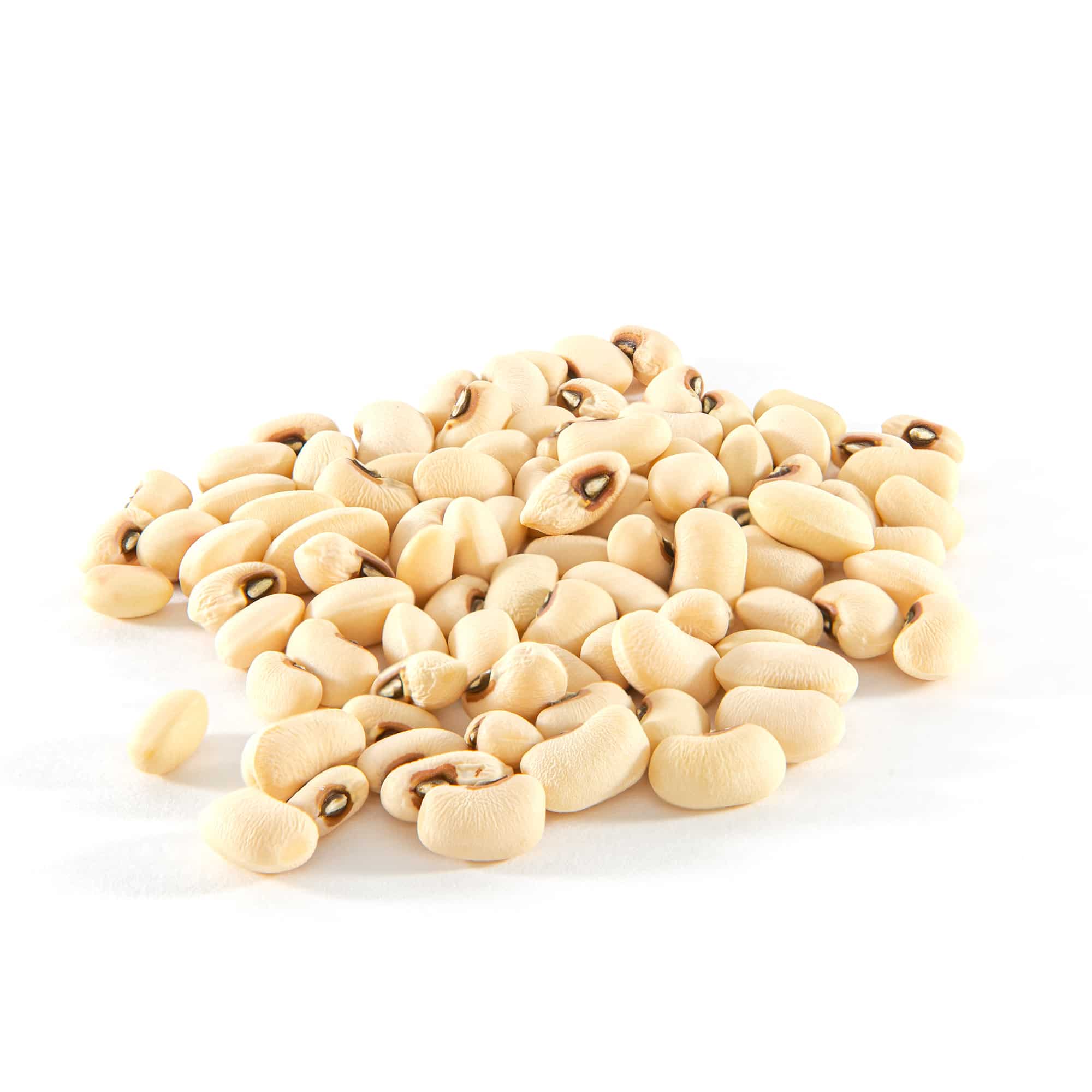
Fesol de l'ull ros are small-caliber legumes, approximately 5 cm long, and make a small, not very pronounced hook. They are yellowish in shade and in the middle have a brown spot, the so-called blond eye, which distinguishes them from black-eyed beans. The difference between one and the other is that the blond eye bean is much thinner in skin, becomes whiter once cooked, and is also tastier. It is sown in late April or early May and harvested around June, a process that must be hazelnuted when it is blonde. Once the hazelnut is harvested, the beans are extracted, sieved and stored. Currently, production is in the hands of a small number of small producers in the aforementioned counties.