
Escairat corn from Berguedà
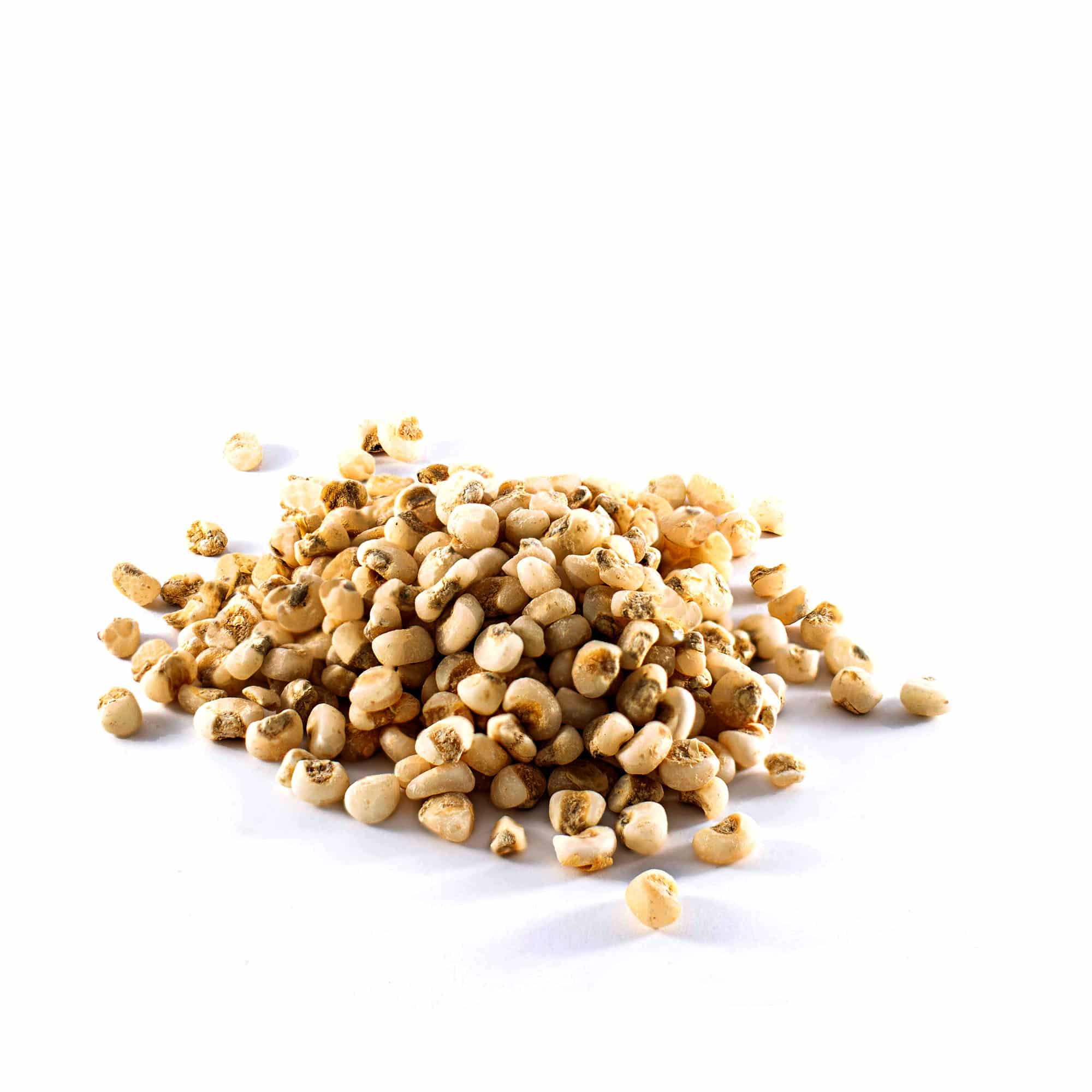
Originally from America, and introduced to Europe in the sixteenth century, squared corn is characterized by its white color, due to the process of removing the shelling from the cereal: squaring.
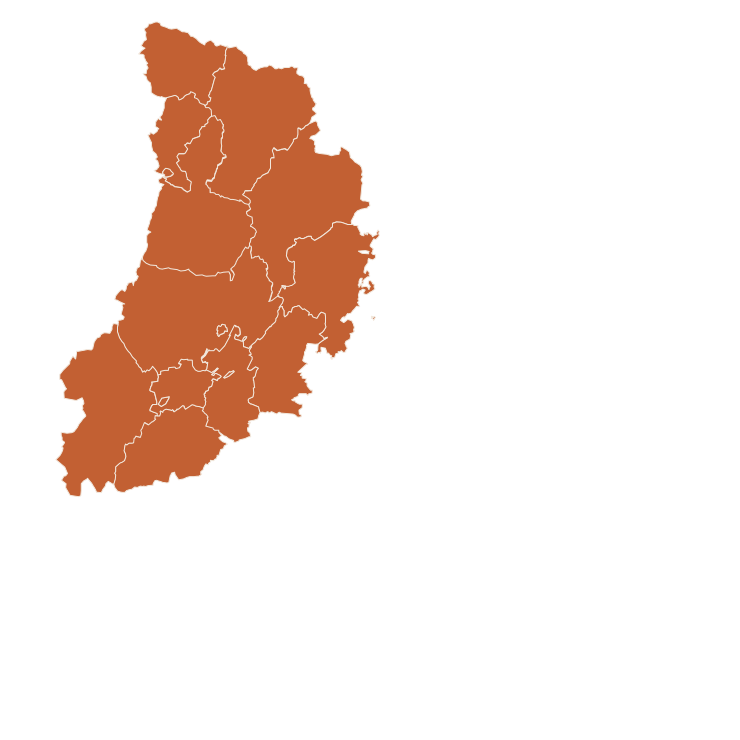
In ancient times, squared corn was planted on fallow land and was profitable for farmers due to the high profitability of the product and low production costs. Currently, squared corn is common in specialized mills and owes its tradition and conservation over time to Berguedà, a region where it is customary to incorporate squared corn into the Christmas escudella. Like most cereals, it stands out for its quantity and quality of carbohydrates, phosphorus and potassium. Before consuming it, it is necessary to soak the grain the day before and wash it with plenty of water before cooking.
-
 Producte Singular - Xarxa de Productes de la Terra - Diputació de Barcelona
-
 Productes de la terra
 Pasta, rice and cereals



Gastroteca
Season calendar
- GEN
- Feb
- Sea
- Apr
- Never
- JUN
- JUL
- AUG
- THIRST
- OCT
- nov
- From
Complementary information
Raw squared corn can be found in stores in the region, and cooked in various stores that cook grain. Although the harvest season is in July and mid-August, it is found all year round, as it is well preserved.
Attributes and nutritional properties
Like most cereals, it stands out for its quantity and quality of carbohydrates. As it is a peeled cereal, it does not provide large amounts of vitamins, but it does provide minerals such as phosphorus, which is part of the DNA, potassium, regulator of water levels inside and outside the cells, and magnesium, a mineral that intervenes in practically all stages of metabolism. In a balanced diet, cereals must be present every day and, since it does not contain gluten, it is a good option for people with coeliac disease.
Other products : Pasta, rice and cereals

Follow us!
This error message is only visible to WordPress admins
There has been a problem with your Instagram Feed.